Around here, driveways come in every flavor you can think of. In the older parts of Stroudsburg you've got poured concrete that's been curing since the Nixon administration. Head up into the developments off Route 447 or out toward Tannersville and it's asphalt, some of it fresh and soft, some of it cracked and heaved from thirty Pocono winters. Get back into the woods around Pocono Pines or Bushkill and half the driveways are gravel, dirt, or a strip of pavers the homeowner laid themselves. Every single one of those surfaces reacts differently when you set a loaded roll-off container on it.
I've been dropping dumpsters in Monroe County long enough to have seen the good, the bad, and the expensive. This is the article I wish somebody had handed me when I started. If you're renting a bin for a roof tear-off, a garage cleanout, or a kitchen remodel, spend ten minutes reading this before the truck shows up. It'll save you a headache, and possibly a couple thousand dollars in resurfacing.
Why a roll-off can hurt your driveway in the first place
People assume the weight is the problem. Weight matters, but it's not the whole story. A 20-yard container full of shingles can push past 6 tons, and all of that is riding on a narrow steel frame with rails and small wheels. The issue isn't just how heavy it is — it's how that weight gets concentrated.
Three things do the actual damage. First is point loading. The container doesn't sit flat like a book on a table. It rests on rails and, on some models, small caster-style wheels at the back. Those contact points press into your surface with a lot of pounds per square inch. Second is the delivery itself. When the driver rolls the box off the truck, the back of the container drags and pivots as it lands. That dragging motion is where most gouges and scrapes come from — not the sitting, the landing. Third is duration. A bin that sits for two days in April behaves very differently than one that sits for two weeks in a July heat wave. Time under load lets soft surfaces creep and deform.
Understand those three and everything else in this article makes sense.
Boards under the container: the single best thing you can do
If you take one thing away from this, take this: put wood down. Every reputable hauler in the Poconos either carries planks or will happily set the box on boards you've laid out. A couple of two-by-tens or a few lengths of pressure-treated lumber under the rails and wheels spread the load out and give the steel something to bite into besides your driveway.
Here's how to do it right. Lay the boards where the container's contact points will land — that's the two rails running the length of the box and, if it has them, the rear wheels. Run the planks perpendicular to the container so each rail crosses several boards. Use real lumber, not thin scrap; 2x8 or 2x10 pressure-treated is ideal, and a length of railroad tie or a thick timber under the rear works even better. Old plywood sheets can help on top of the planks to spread things further, but plywood alone flexes too much to do the job.
The boards do two jobs at once. They distribute the weight over a much bigger footprint, which is what protects concrete and asphalt from point loading. And they take the abuse of the drag during drop-off, so any scraping happens to a sacrificial board instead of your surface. Tell the driver ahead of time that you want the box set on boards. A good one will say "yep, no problem" — because they've seen the same driveway damage you're worried about, and they don't want the argument any more than you do.
Asphalt in the summer heat — the Pocono trap
This is the one that catches folks off guard. Asphalt is not a rigid material. It softens as it warms, and on a hot Monroe County afternoon a black driveway can hit surface temperatures well over 130 degrees. Soft asphalt under a concentrated steel load will take an impression, and once it's dented, it stays dented. I've seen container rail marks pressed a half-inch into a driveway that was perfectly fine in the spring.
If you're renting in June, July, or August and you've got asphalt, do three things. Use boards, always — this is non-negotiable in the heat. Ask for the delivery early in the morning when the pavement is coolest and firmest. And keep the rental short; the longer a heavy box bakes in place, the deeper it settles. If your driveway is newer asphalt, less than a year old, be extra careful. Fresh asphalt is still off-gassing and curing, and it's much softer than people realize. In that case I'd genuinely consider placing the box on the street or a gravel area instead, and we can talk through permits if a street placement is needed.
Gravel, dirt, and soft mountain driveways
Plenty of driveways out in the Poconos are gravel or dirt, especially the longer ones set back from the road. Gravel won't crack — but it will rut, shift, and swallow a wheel. After a wet stretch, and we get plenty of those up here, the ground underneath turns soft. Set a loaded container on soft ground and the wheels sink, the box tilts, and the truck can leave ruts you'll be raking out for a month. Worse, a bin that settles unevenly is a bin that's hard to load safely.
On gravel and dirt, boards matter even more, and you want big ones — wide timbers or a couple sheets of plywood layered under the rails to keep the box from digging in. Pick the firmest, most level spot you've got. Avoid the low point where water collects. If we've just had three days of rain, it's worth a phone call to push the drop by a day and let things drain. A driver who knows the mountain will look at the ground, read the weather, and tell you honestly whether a spot will hold.
Slopes and grade — more common here than flat
Flat driveways are the exception in this county, not the rule. Most of what we deliver to has some pitch to it. Grade introduces two problems. A container set on a slope wants to slide or roll, and the load inside shifts toward the downhill end, which concentrates even more weight on the low rails. That's a recipe for both a gouged surface and a bin that creeps.
The fix is to place the box so its length runs across the slope where possible, not straight up and down, and to chock it. Any decent hauler will set wheel chocks or blocks so the container can't move. If your driveway is steep, tell whoever you book with before the truck is dispatched — the driver needs to plan the approach, and some spots simply call for a different placement. It's a lot cheaper to sort that out on the phone than to watch a loaded box inch its way toward your garage door.
Not sure your driveway can take it? Call Stroudsburg Dumpster Rental Group at (272) 200-0759 and describe your surface and slope. We'll tell you straight whether it's fine, whether we bring boards, or whether a street or gravel drop makes more sense. No charge for a little honest advice.
Right-sizing the bin protects your driveway too
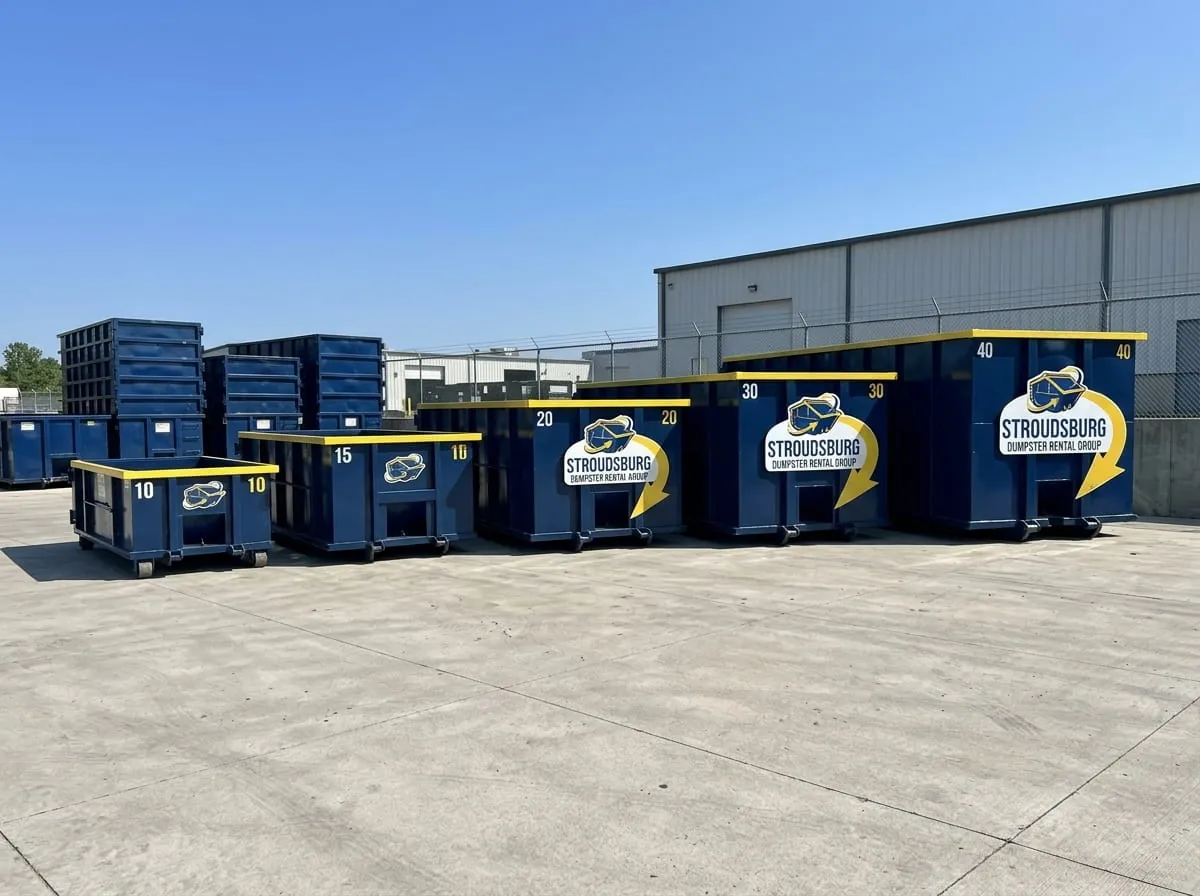
Here's something people miss: the size you rent changes the risk. A giant 30-yard box loaded with heavy debris puts far more concentrated weight on your surface than a smaller container, and it's harder to place on a tight or sloped drive. For a lot of residential jobs — a bathroom remodel, a garage purge, a modest cleanout — a 10-yard dumpster does the work with a smaller footprint and less weight sitting on your concrete or asphalt. Matching the container to the actual job isn't just about saving money; it's about not parking three extra tons on a driveway that didn't need it. If you're not sure what size fits, that's exactly the kind of thing to ask when you book your residential dumpster rental.
What a good hauler actually does
You should be able to expect a certain standard, so here's what separates an outfit that respects your property from one that doesn't. A good hauler asks about your surface before delivery — concrete, asphalt, gravel, and how old it is. They carry boards and use them without you having to beg. Their drivers set the box down slowly and deliberately instead of dropping and dragging. They chock containers on any grade. They pick placement with drainage and slope in mind, and they'll tell you no if a spot is a bad idea. And when they pick the empty box back up, they do a walk-around with you to confirm the surface is fine.
That last part matters. Do your own walk-through before the truck leaves on delivery day and again at pickup. Take a couple of phone photos of the driveway before the box lands. If anything ever does go sideways, you've got a clear before-and-after, and a reputable local company will stand behind their work.
A quick pre-delivery checklist
Before your bin arrives, run through this: clear the placement spot of cars, toys, and anything in the truck's path; have your boards or planks ready if you're supplying them; sweep loose gravel off the exact landing zone on a paved drive; check the weather if you're on gravel or dirt; and know your slope so you can mention it. Five minutes of prep prevents the vast majority of driveway damage I've ever seen.
None of this is complicated. Roll-offs and driveways coexist just fine when the box is set on wood, placed with a little thought, and matched to the job. The trouble almost always comes from a rushed drop on a hot day with nothing under the rails. Do it right and you'll fill the bin, we'll haul it off, and your driveway will look exactly like it did before the project started.
Ready to book, or just want a second opinion on your driveway? Reach out through our contact page or call and we'll get you squared away.

Founder, Stroudsburg Dumpster Rental Group — sharing straight advice from more than 15 years of local hauling experience.
Frequently Asked Questions
Will a dumpster crack or damage my driveway?
It can if it's placed carelessly, but it usually won't if it's done right. Damage comes from concentrated weight on the container's rails and wheels, from dragging during drop-off, and from bins sitting on hot or soft surfaces. Setting the box on wood planks and choosing placement thoughtfully prevents almost all of it.
Should I put boards or plywood under the dumpster?
Yes. Lay pressure-treated 2x8 or 2x10 lumber under the rails and rear wheels, running perpendicular to the container so each rail crosses several boards. The wood spreads the load over a bigger area and absorbs the scraping from drop-off, protecting your concrete, asphalt, or gravel. We can bring boards or use ones you supply.
Is it safe to put a dumpster on asphalt in the summer?
With precautions, yes. Asphalt softens in Pocono heat and can take a permanent impression from a heavy steel container. Always use boards, ask for an early-morning delivery when the pavement is coolest, and keep the rental short. On newer asphalt under a year old, consider a street or gravel placement instead.
Can you place a dumpster on a gravel or sloped mountain driveway?
Absolutely, that's most of what we deliver to in Monroe County. On gravel or dirt we use wider boards to stop the box from sinking, and we pick a firm, level spot away from where water pools. On slopes we chock the container so it can't move. Just tell us about your grade and surface when you book so the driver can plan.
What size dumpster is least likely to hurt my driveway?
A smaller container puts less concentrated weight on your surface and fits tighter or sloped drives more easily. For many residential jobs a 10-yard dumpster handles the work with a smaller footprint. Matching the bin to the actual job keeps unnecessary weight off your driveway. Call us and describe the project and we'll recommend the right size.